Manifesto
A city deserves a map
We build places that don’t exist.
We give them names.
We remember their streets, their neighbourhoods, their stations. We know where it all began and which part we rebuilt five times until it finally felt right.
We can spend hundreds of hours with a city we will never set foot in.
And even so, we end up loving it a little.
I think something like that deserves a map.
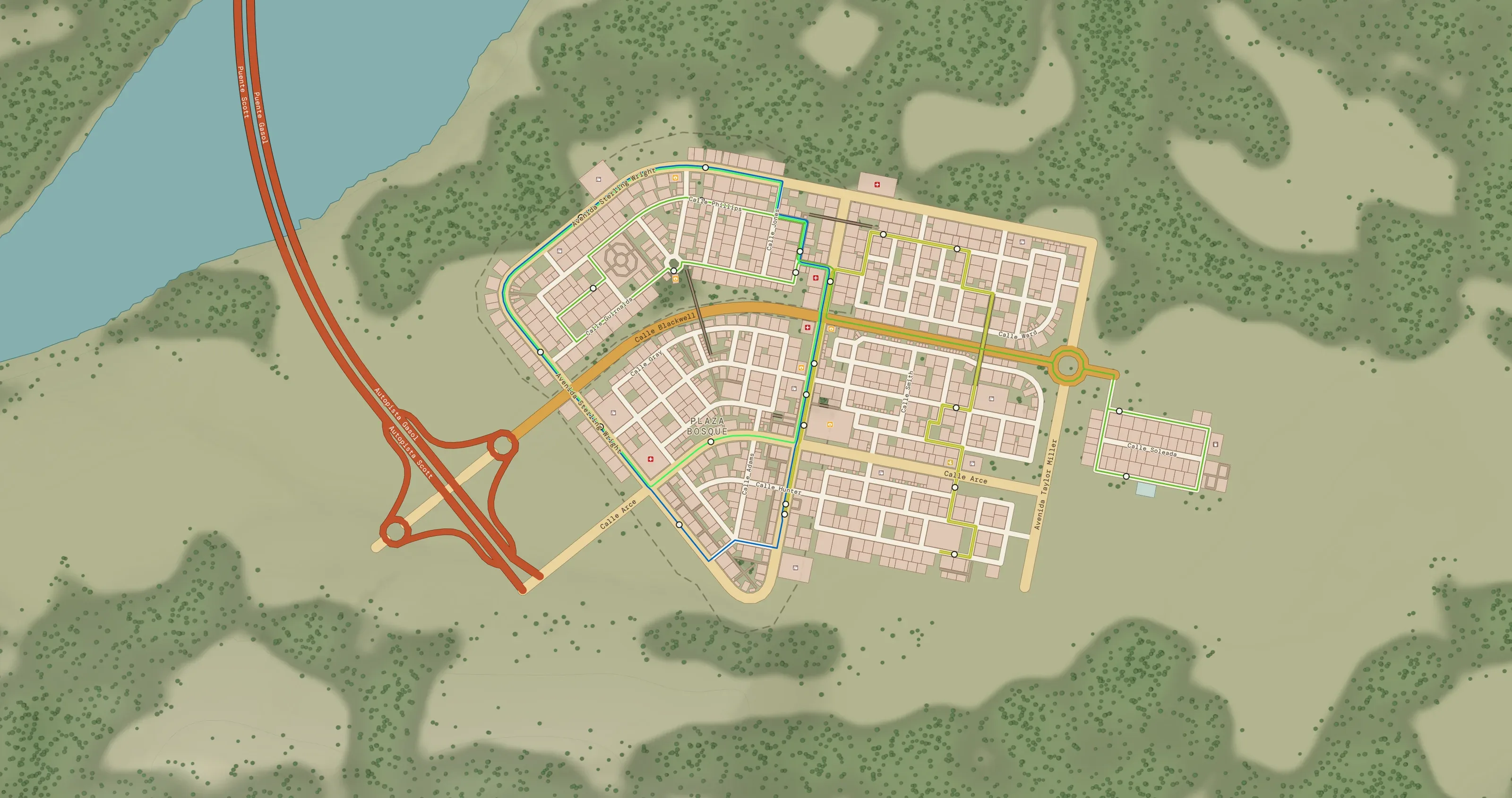
I’ve loved maps since I was a child.
I drew them even when there was nothing to chart. I invented places just for the pleasure of turning an imaginary space into something you could travel with your eyes.
Years later, playing Cities: Skylines on an old laptop, I ended up asking myself a fairly simple question:
Can I see my city as a map?
That’s how I found CSL Map View.
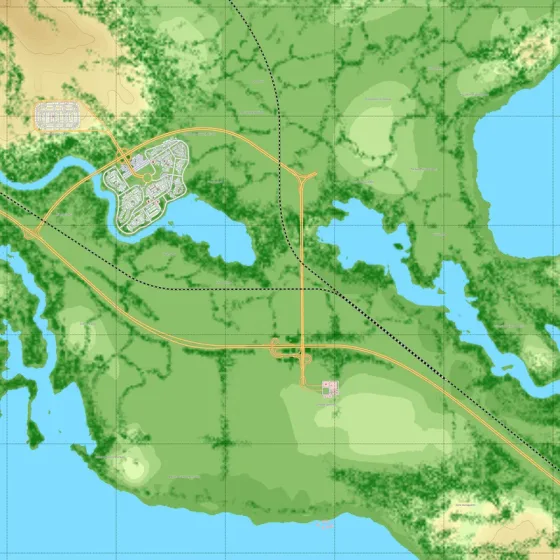
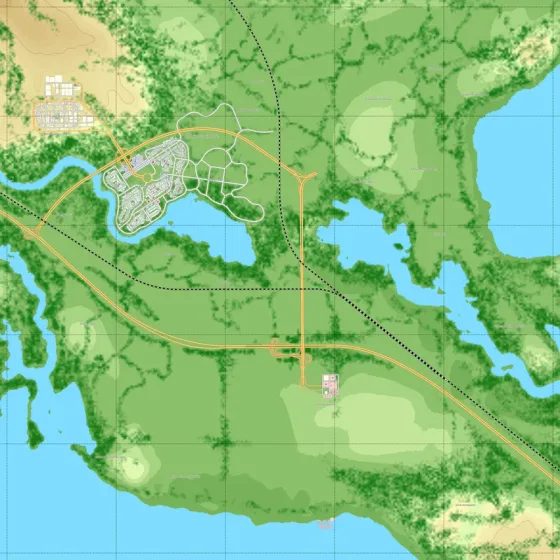
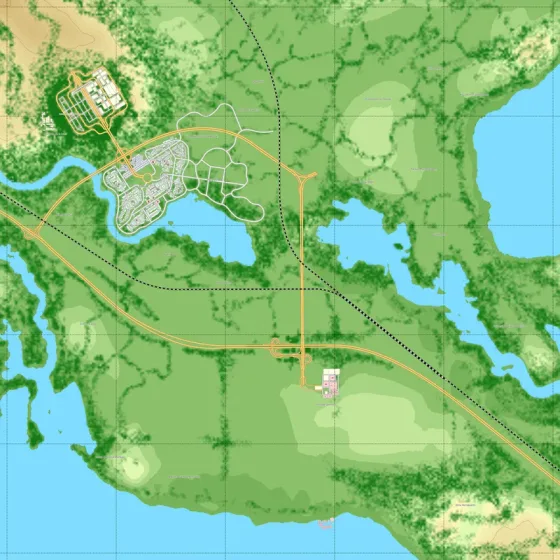
I remember the first time I saw one of my cities turned into a plan. Then it became part of the way I played. With a city called Los Santos Pobres I started saving snapshots as it grew, and I sent them to my friends as if I were documenting the expansion of a real place.
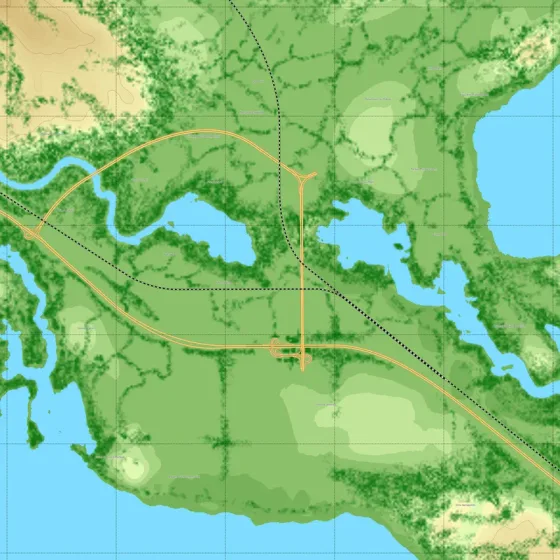
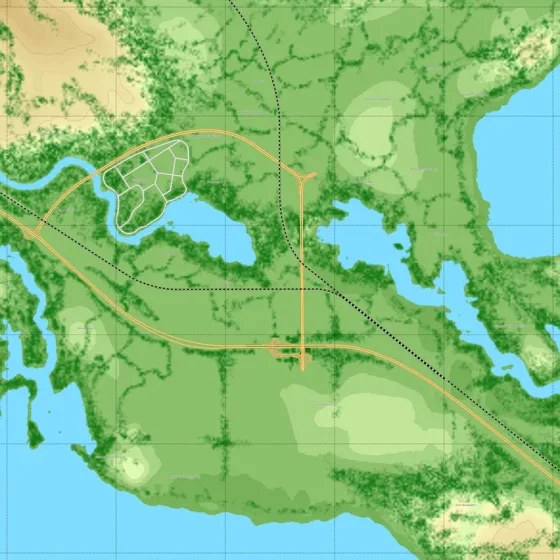
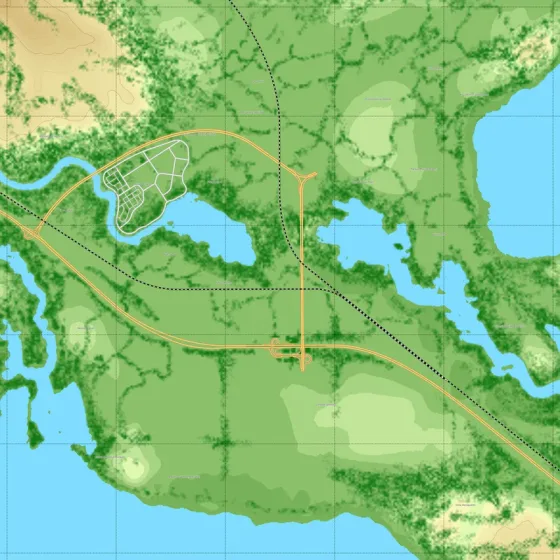
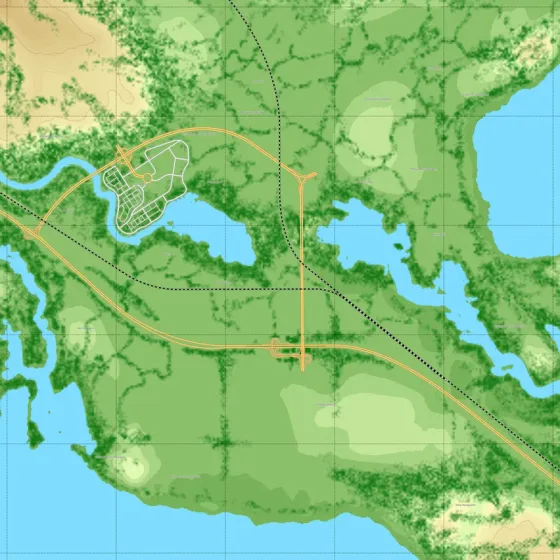
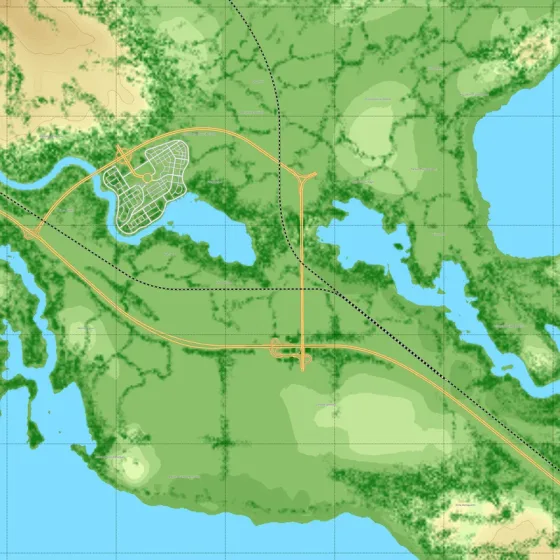
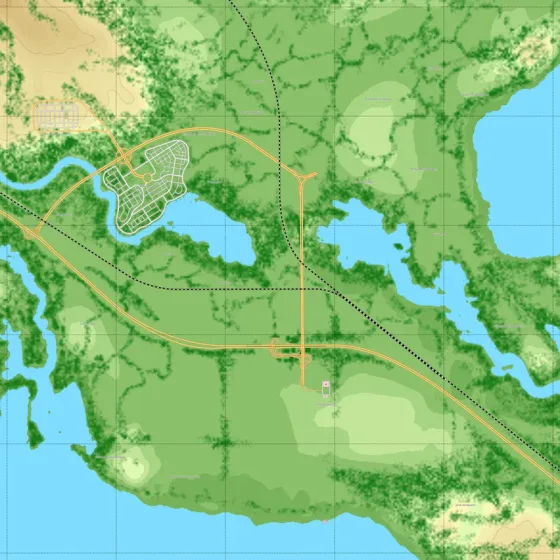
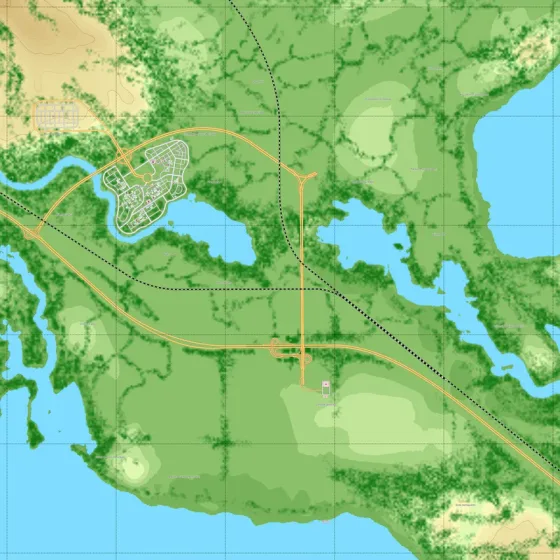
- 10 · not kept
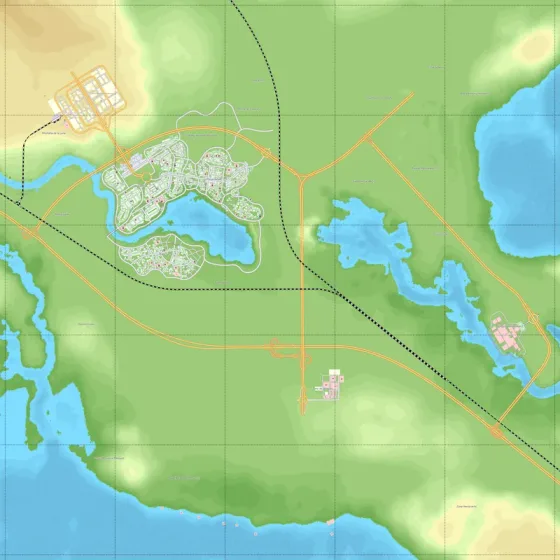
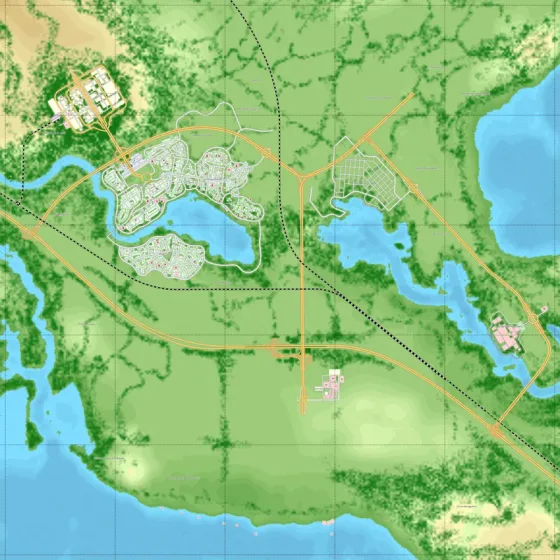
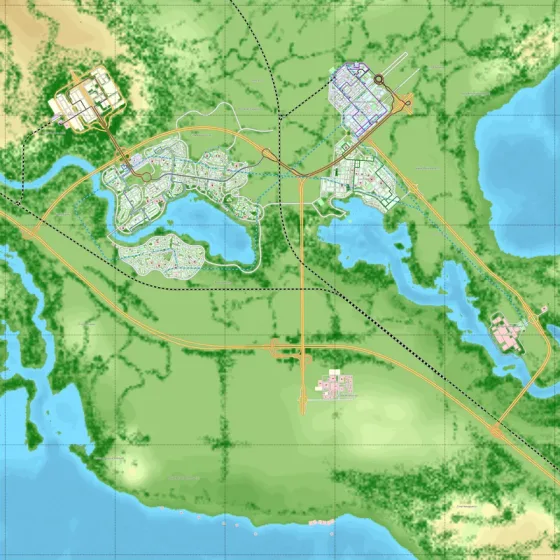
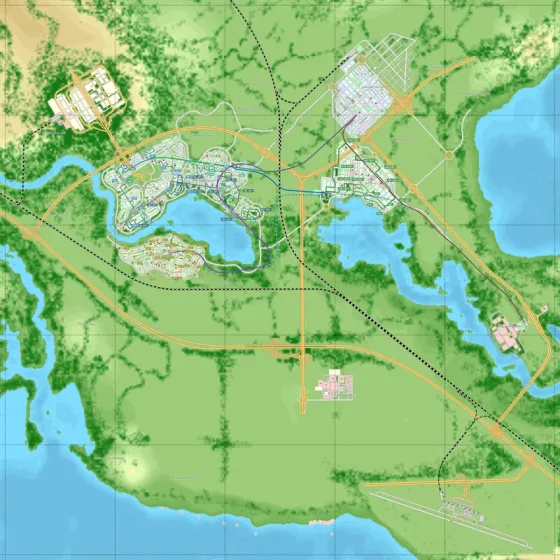
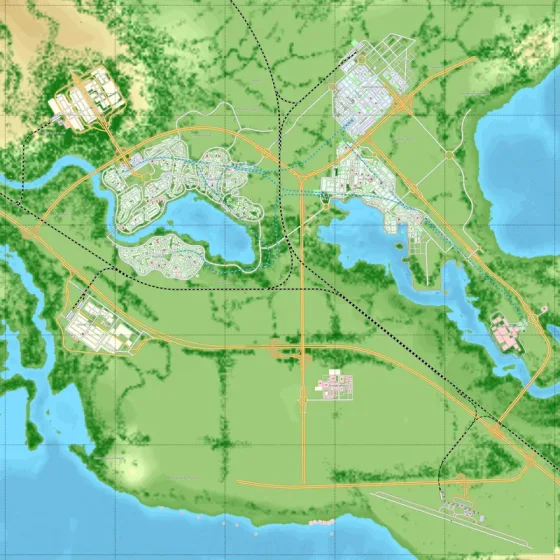
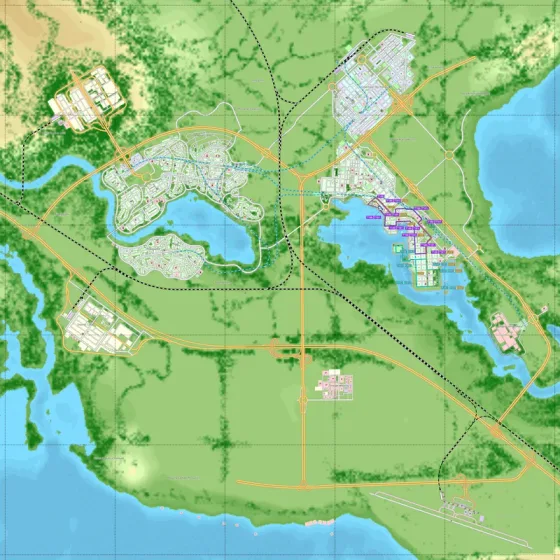
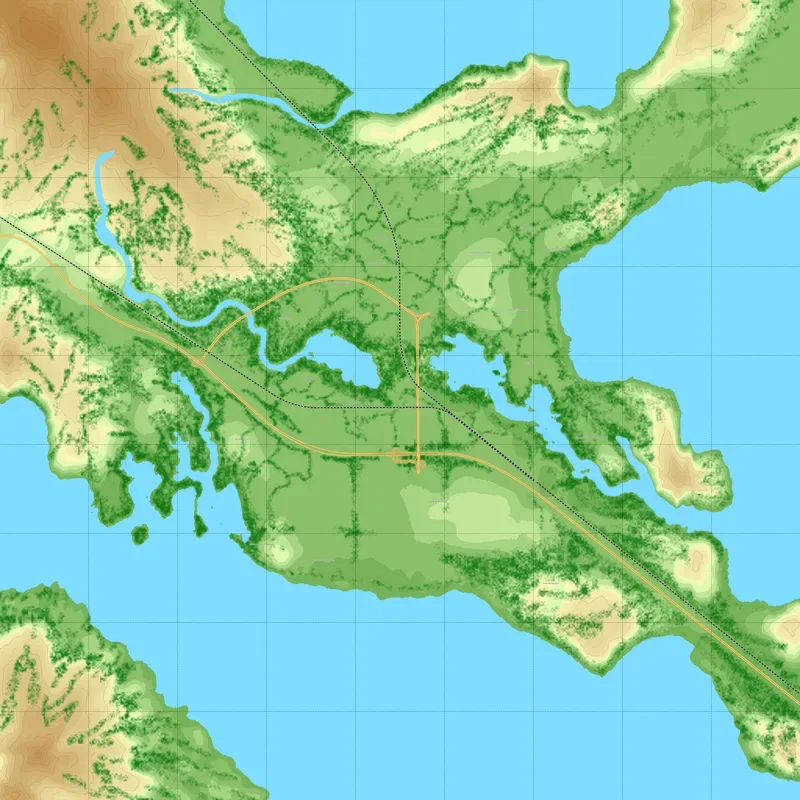
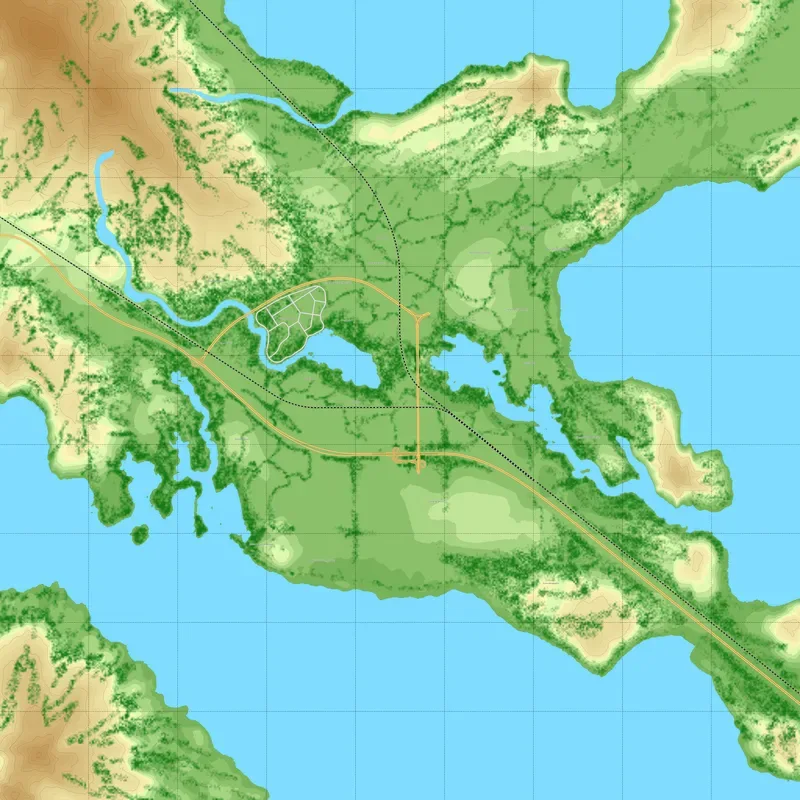
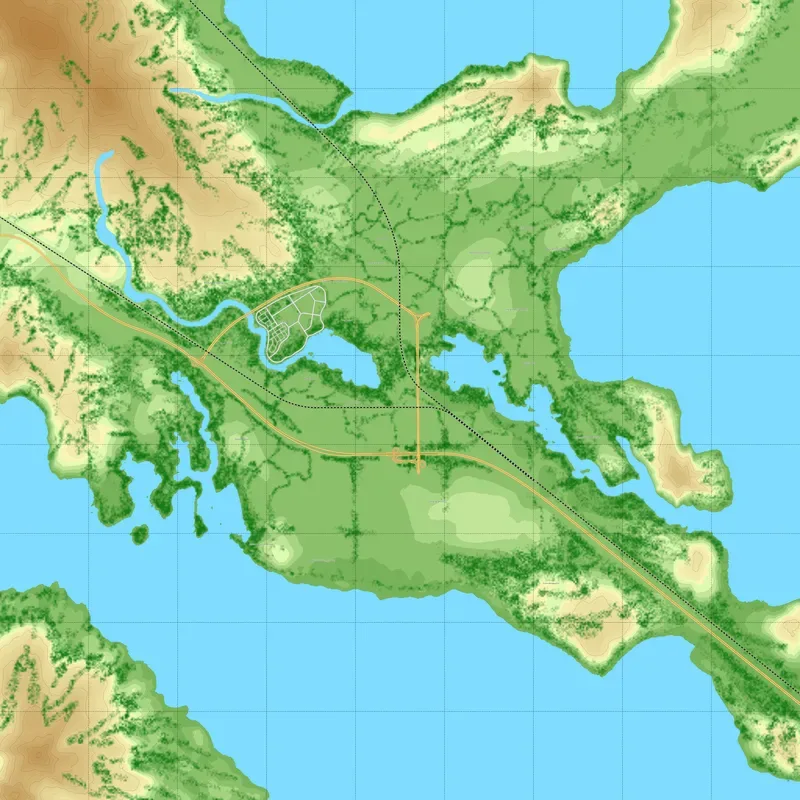
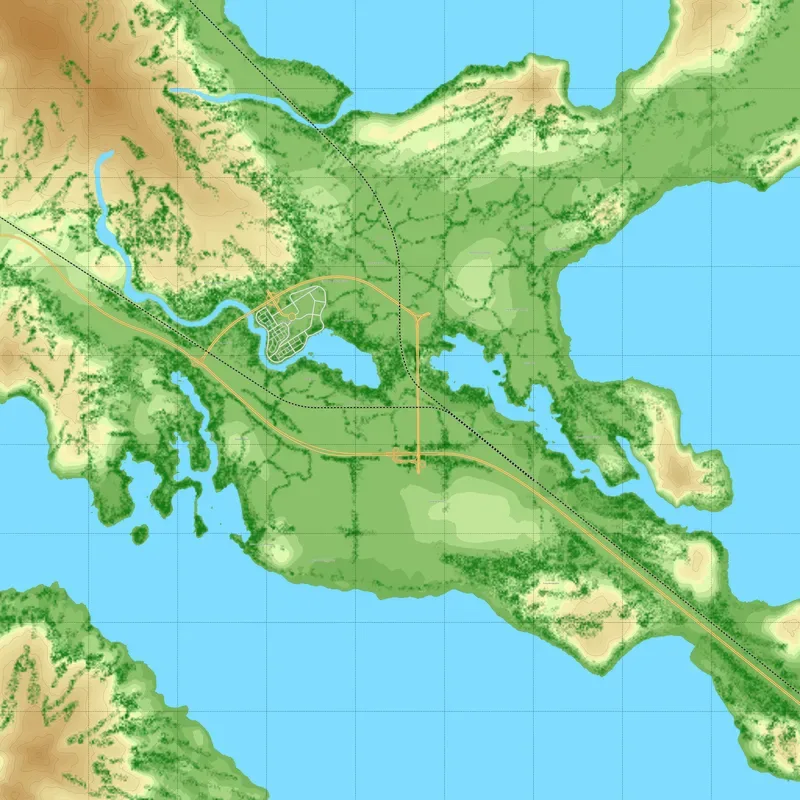
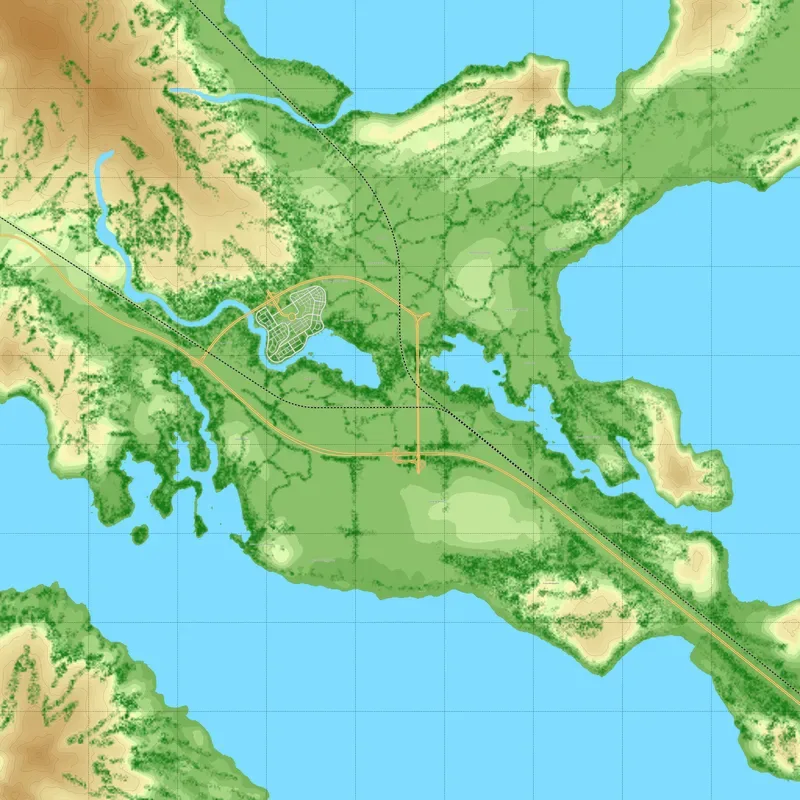
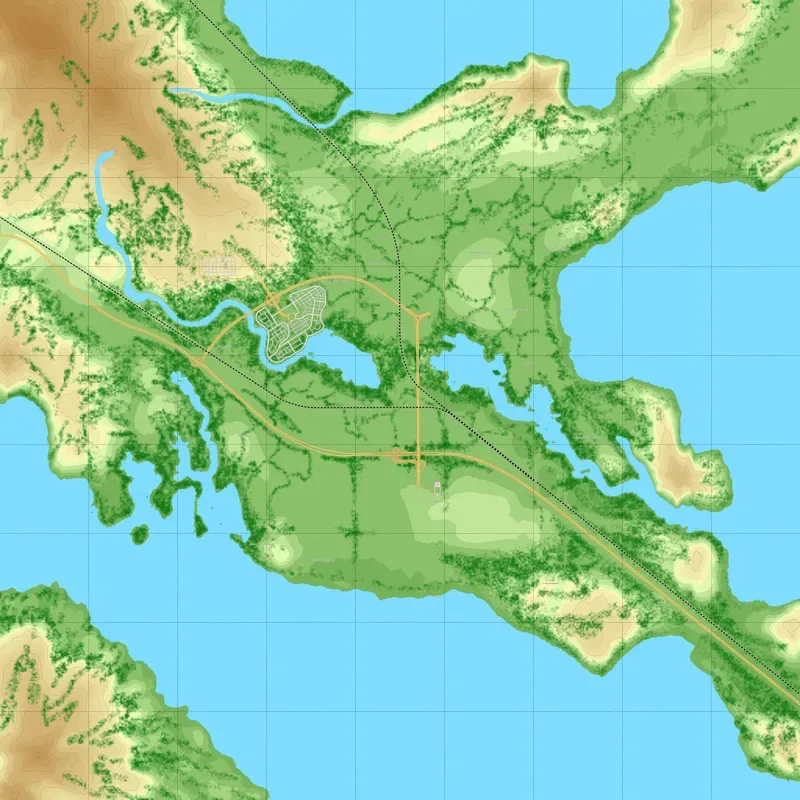
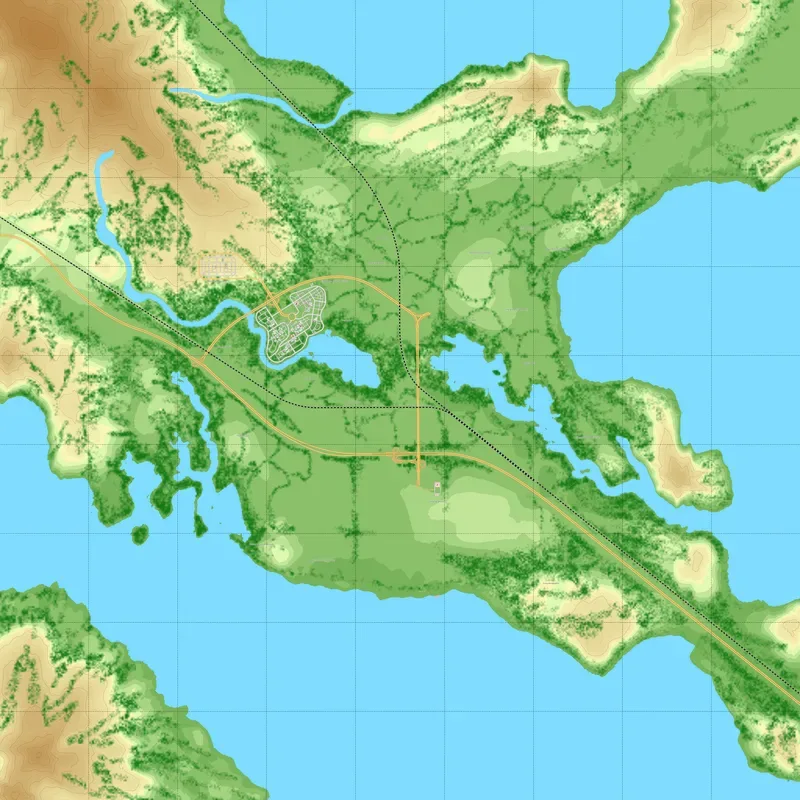
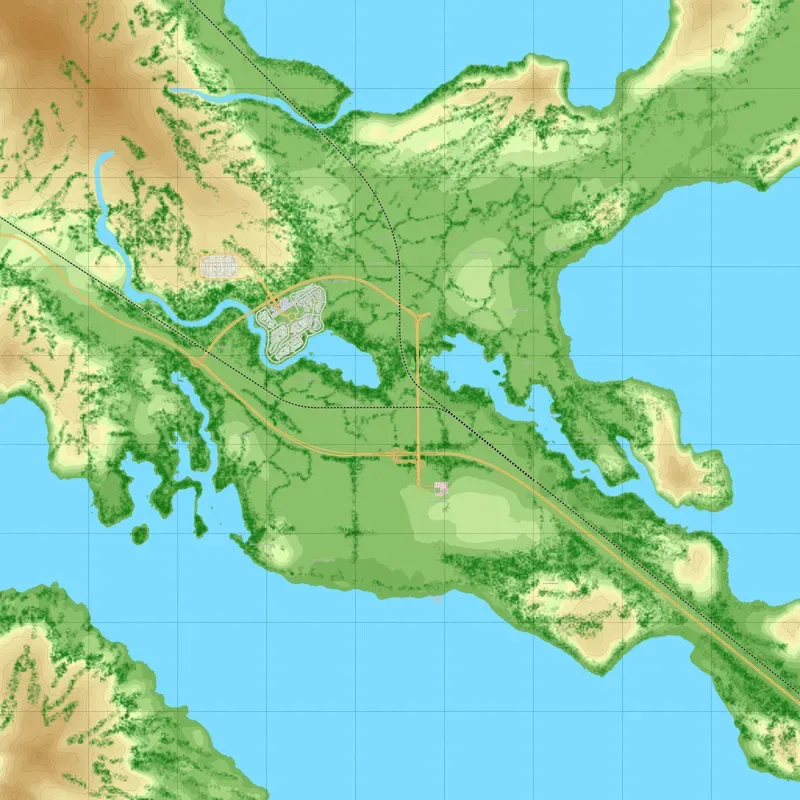
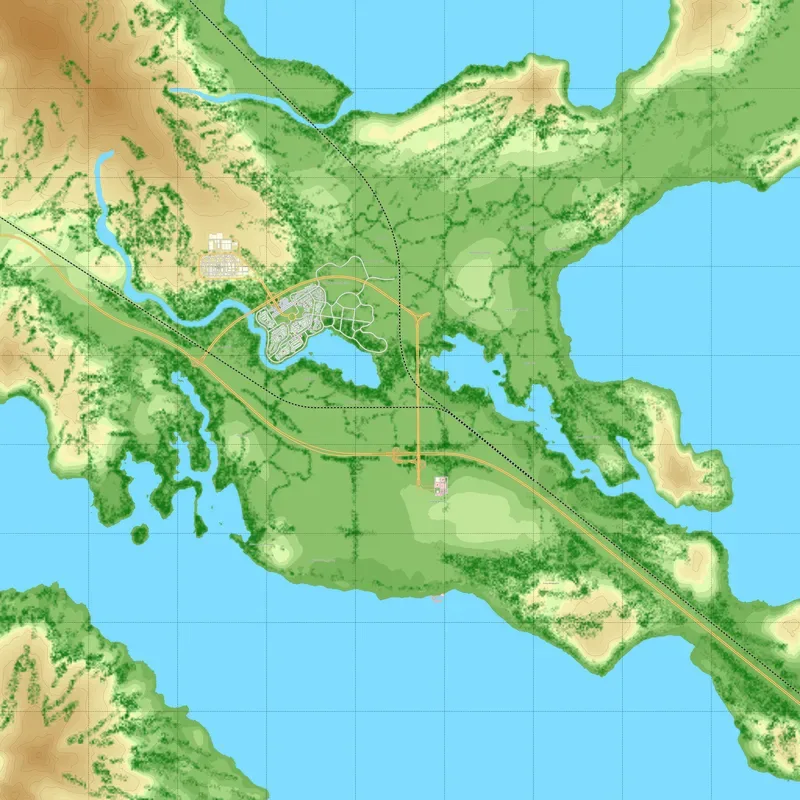
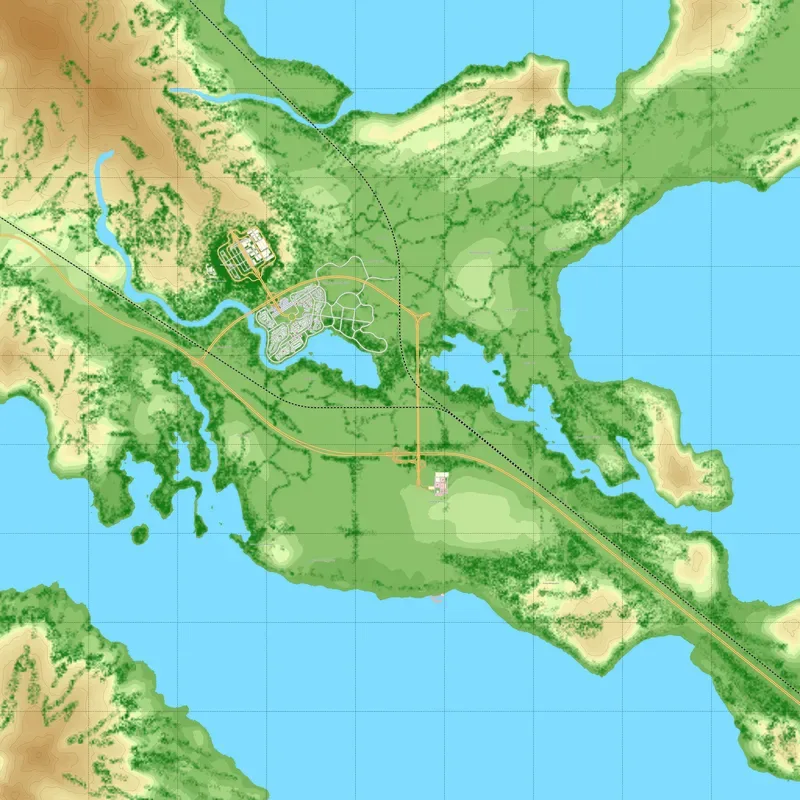
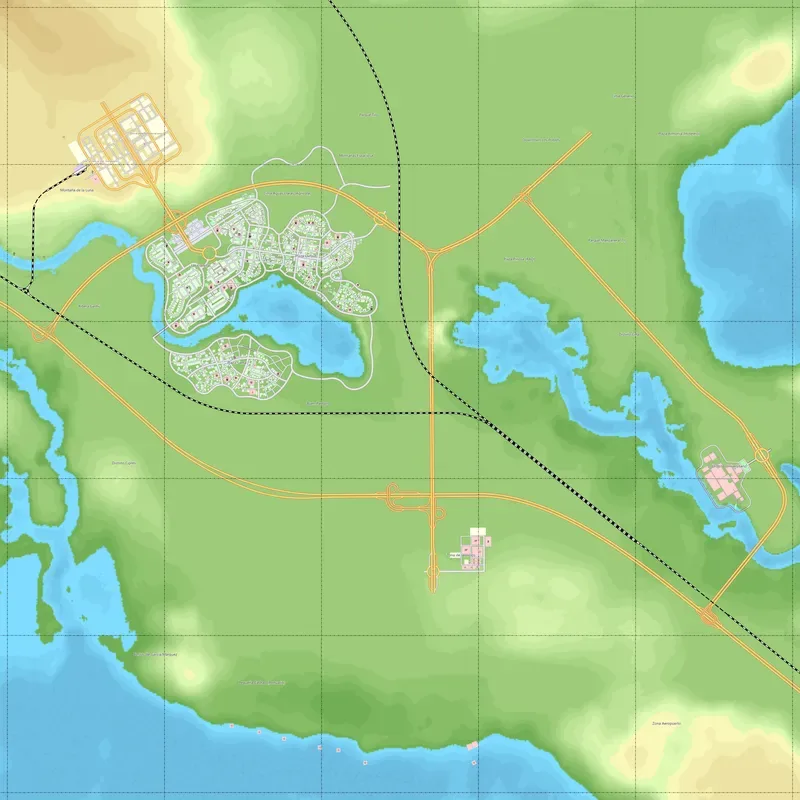
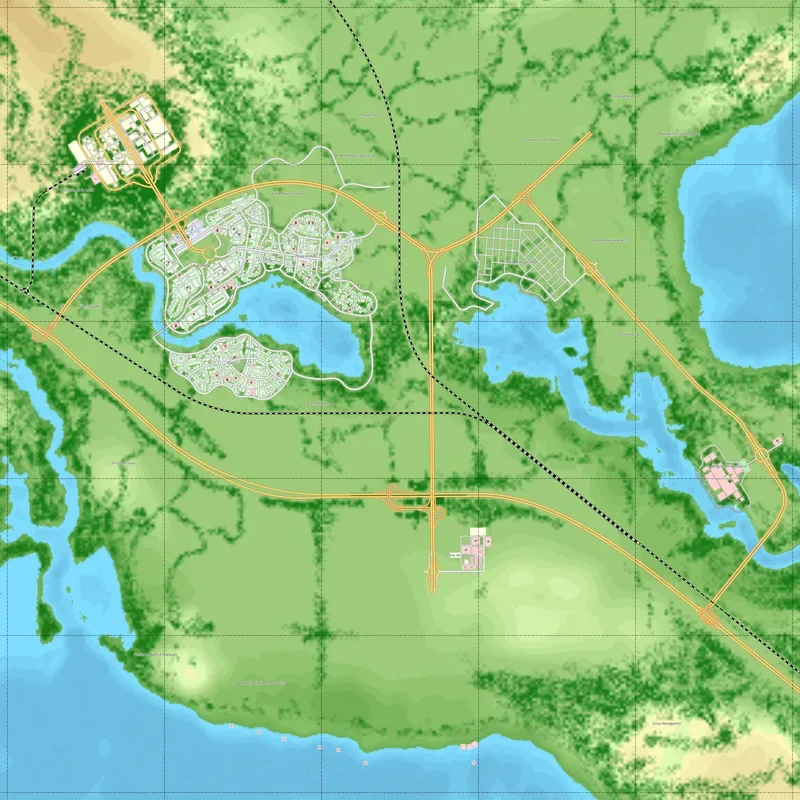
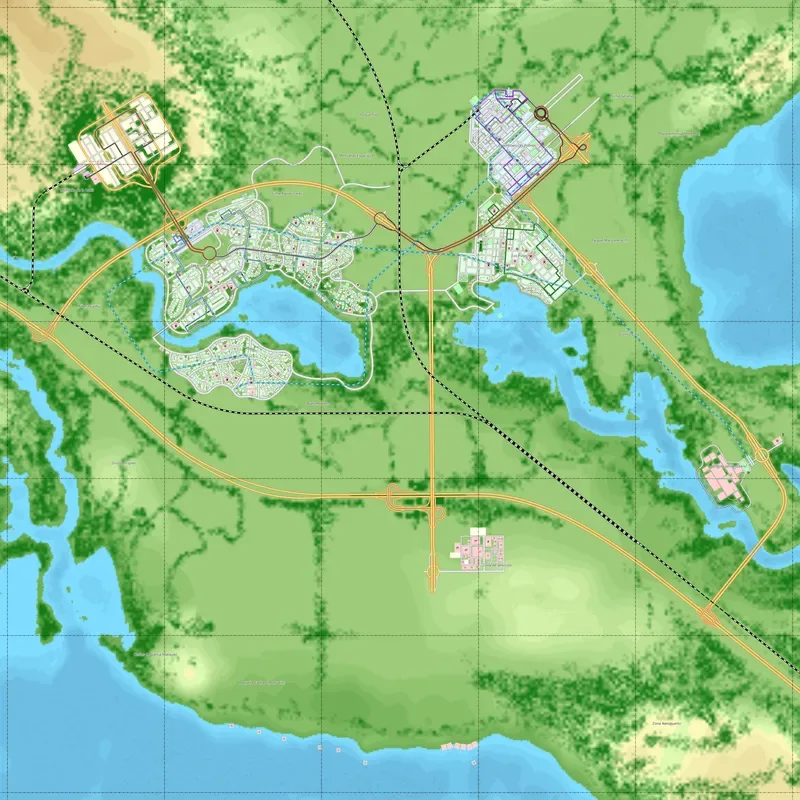
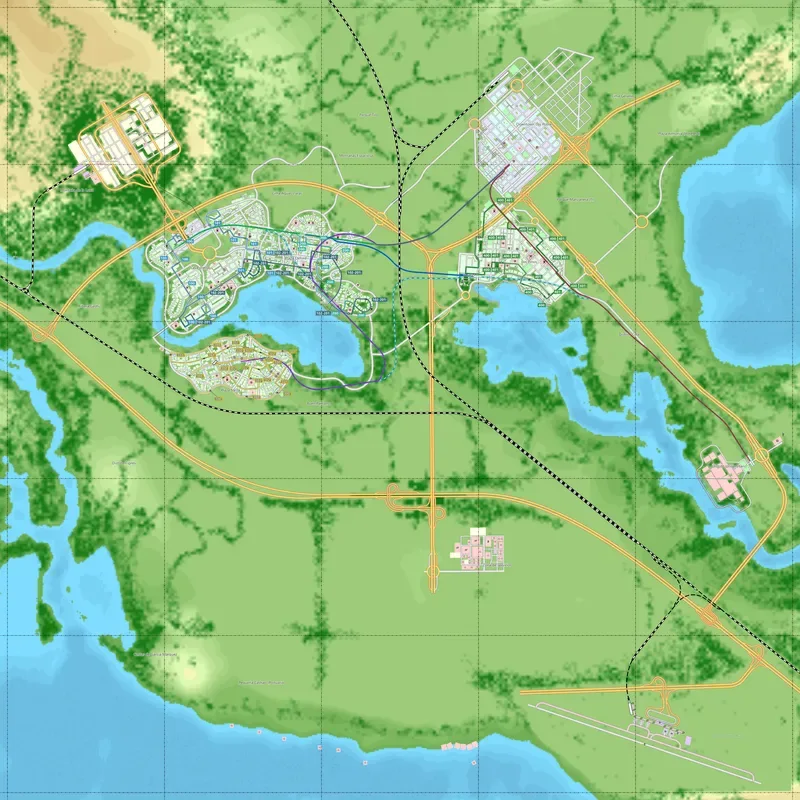
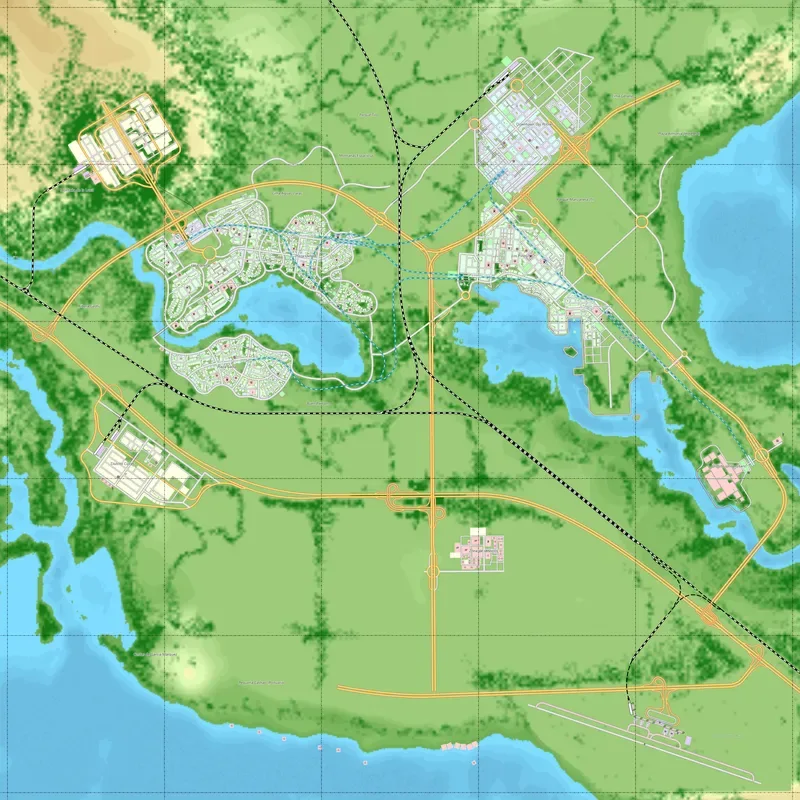
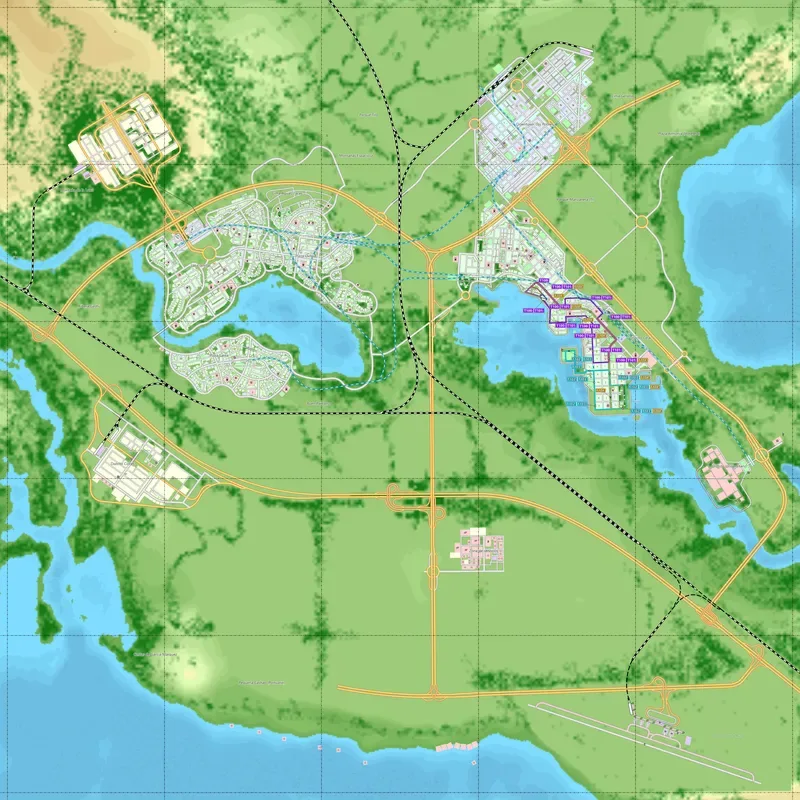
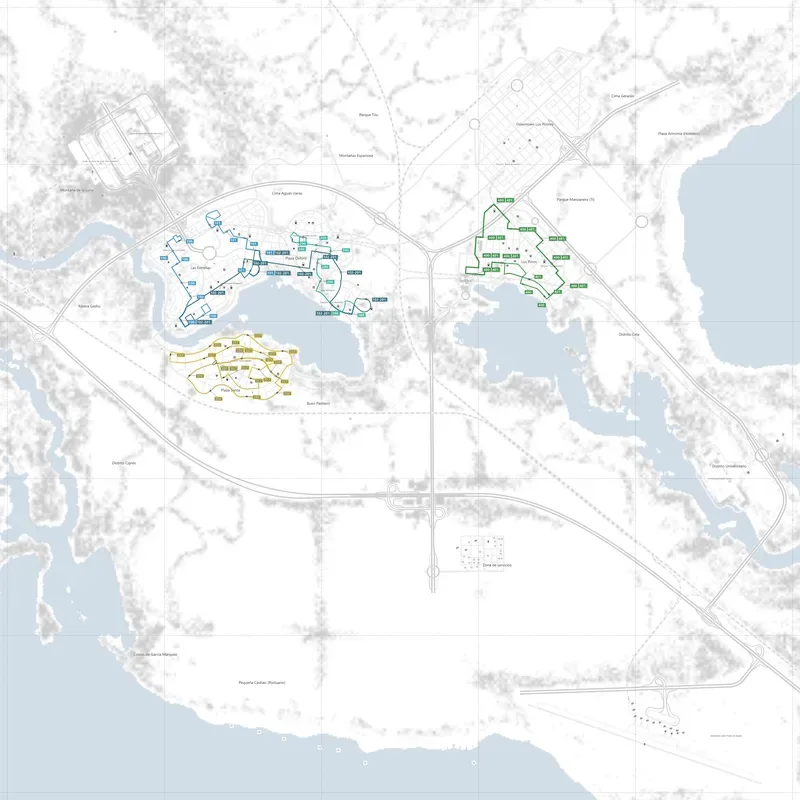
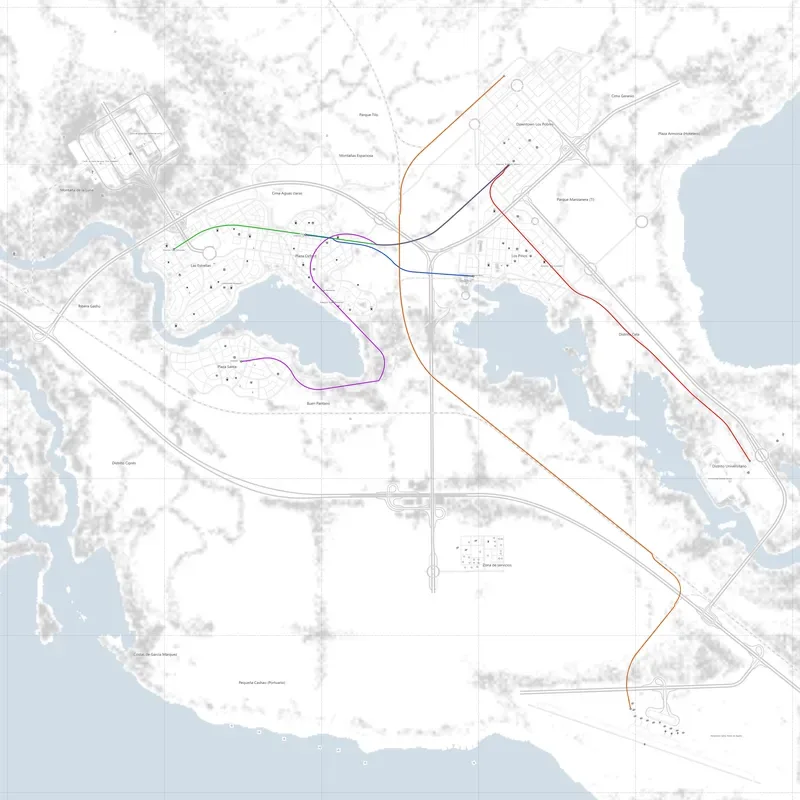
That idea never left me.
Over the years, Cities: Skylines kept growing. CSL Map View stopped.
The tool grew old.
The need didn’t.
Vellum exists because that idea deserved to go on.
Not to replace what came before, nor to pretend it started with me.
To pick up something that mattered to me and carry it a little further.
A city shouldn’t only be seen.
It should be read.
From the game camera we see buildings, traffic, people, landscapes.
From a map, other things appear.
The avenue that ended up becoming the backbone of the city.
The neighbourhood that grew around a road.
A metro network that looked like chaos and, seen whole, reveals its logic.
Or perhaps reveals precisely that it has none.
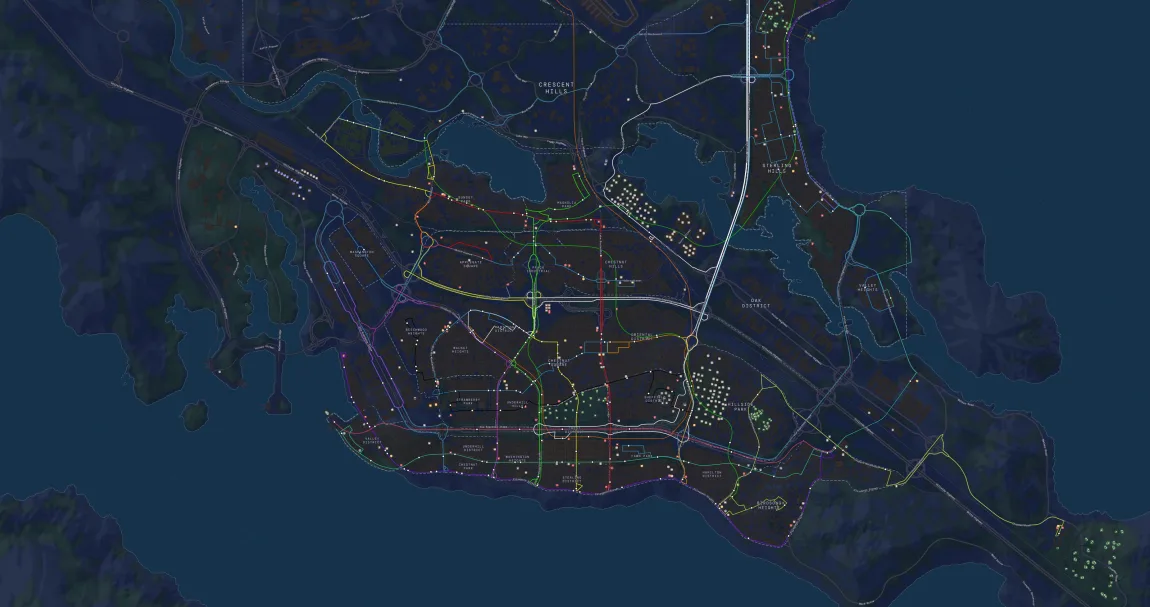
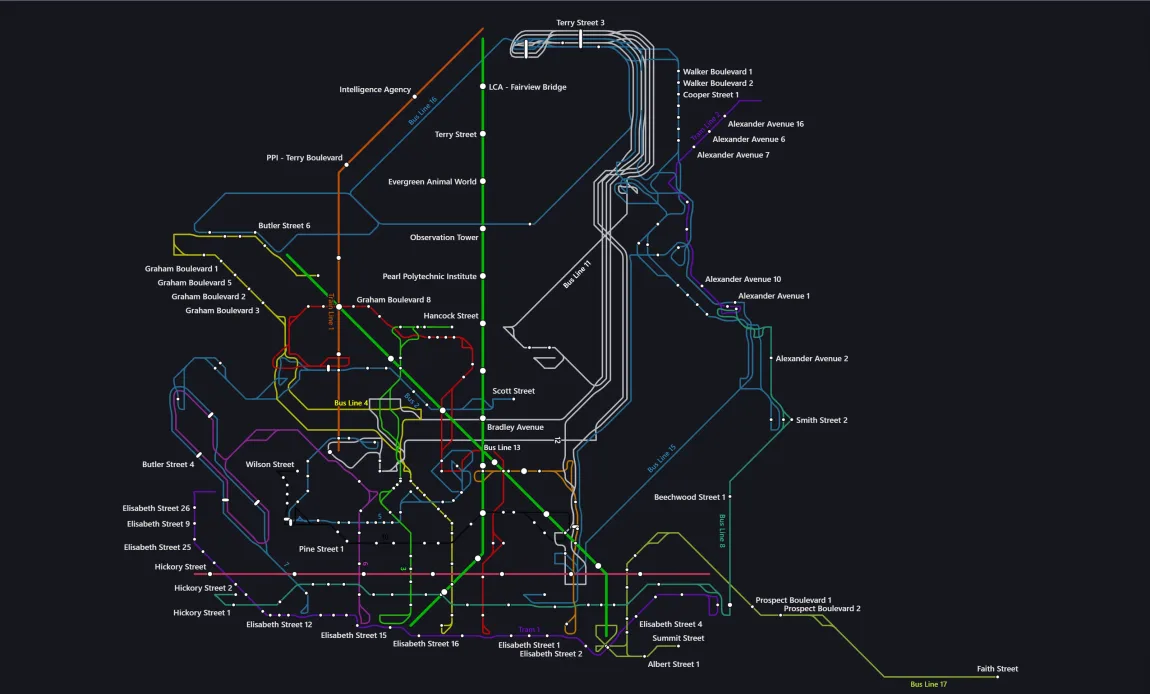
A map changes the way we understand what we build.
That’s what I want from Vellum.
Not a pretty screenshot.
Not just a renderer.
A map.
That’s why I care so much about things that may seem insignificant.
The width of a street.
The shape of a coastline.
The space between two lines.
A colour just slightly lighter.
What should call for attention and what should stay quiet.
Because beauty here isn’t decoration.
Beauty communicates too.
A beautiful map that can’t be read has failed.
A perfectly legible map that treats a city as a mass of geometry has also lost something.
Vellum looks for that middle ground.
Clarity.
Character.
Calm.
The feeling of looking at something worth exploring.
And a map should tell the truth.
Data has limits.
There are things Cities: Skylines doesn’t tell us. There are assets that can arrive in unexpected ways. There is information that simply isn’t in the file.
When Vellum doesn’t know something, I’d rather it admit it.
I prefer a simple fallback to a pretty lie.
I prefer showing a limitation to inventing data to fill a gap.
Because I want to be able to trust the map I’m looking at.
And I want you to be able to trust it too.
Your city should stay yours.
Vellum works locally.
You don’t need an account to contemplate something you built.
Your cities don’t need to go up to a server to become maps.
Vellum Bridge exports when you ask it to.
The file leaves the game and arrives on your computer.
Nothing more.
And I don’t want you to have to take my word alone for it.
You can look at the code.
You can check it.
Transparency is also a form of respect.
Vellum is made by one person.
But I don’t want it to depend on one forever.
This is my first big open source project.
For me it’s also an experiment.
After years working on software that had to be closed, I wanted to build something a different way.
Open the doors.
Let anyone look inside.
Let someone study the code.
Find something they can improve.
Create a theme that would never have occurred to me.
Make a fork.
Change something.
Carry something on.
Because today I’m here, looking after Vellum.
But I can’t promise where I’ll be in ten or twenty years.
And that’s fine.
If someday someone else picks up the project because I no longer can, I wouldn’t feel it had been taken from me.
I’d feel at peace.
It would mean Vellum managed to live beyond me.
Software can disappear when the person who maintains it disappears.
I don’t want it to have to be that way.
1.0 doesn’t mean perfect, either.
It means something else.
It means I can look at Vellum and say:
yes, this now represents what I wanted to build.
That doesn’t mean some strange bug won’t show up.
It will.
Some city will do something I didn’t expect.
Some impossible combination of lines will find a corner of the algorithm I had never seen.
Some asset will decide to be especially creative.
Vellum is made by one person.
I’m not perfect either.
But there is a huge difference between saying “this may have bugs” and saying “it doesn’t matter if it does”.
It matters to me.
That’s why the issue board exists.
If something breaks, I want to know.
If something looks strange, tell me.
If you built a city capable of breaking Vellum in a completely new way, I’d probably like to see it.
And for as long as I can keep working on this project, I’ll try to look after what I built.
Not because I expect to reach some kind of perfection.
But because it makes me glad that someone wants to use it.
Vellum didn’t get here alone, either.
It stands on the work of people who built before.
On those who studied Cities: Skylines, made mods, documented things, shared tools and answered strangers’ questions in some forum years ago.
On CSL Map View and the person who first had that wonderful idea:
a Cities: Skylines city can also be a map.
On the Steam Workshop cities I used to put Vellum up against places far more complex than anything I could have built just to test it.
On everyone from that first Reddit post who took a moment to look at my small project and tell me what they thought.
And also on Martín and Mauricio.
Who have spent years watching my cities, my screenshots, my progress and my cartographic obsessions with rather more patience than they probably bargained for.
Thank you.
All of you.
There’s a feeling I’ve been chasing since I started building Vellum.
It came when I changed its renderer and, for the first time, I could move through a city and feel:
this is a map now.
It came again when the first schematic networks, which used to look like a tangle, slowly began to make sense.
And it still shows up now and then, when I load a city I had never seen.
I zoom out.
I see it whole.
And for a few seconds I simply think:
how beautiful.
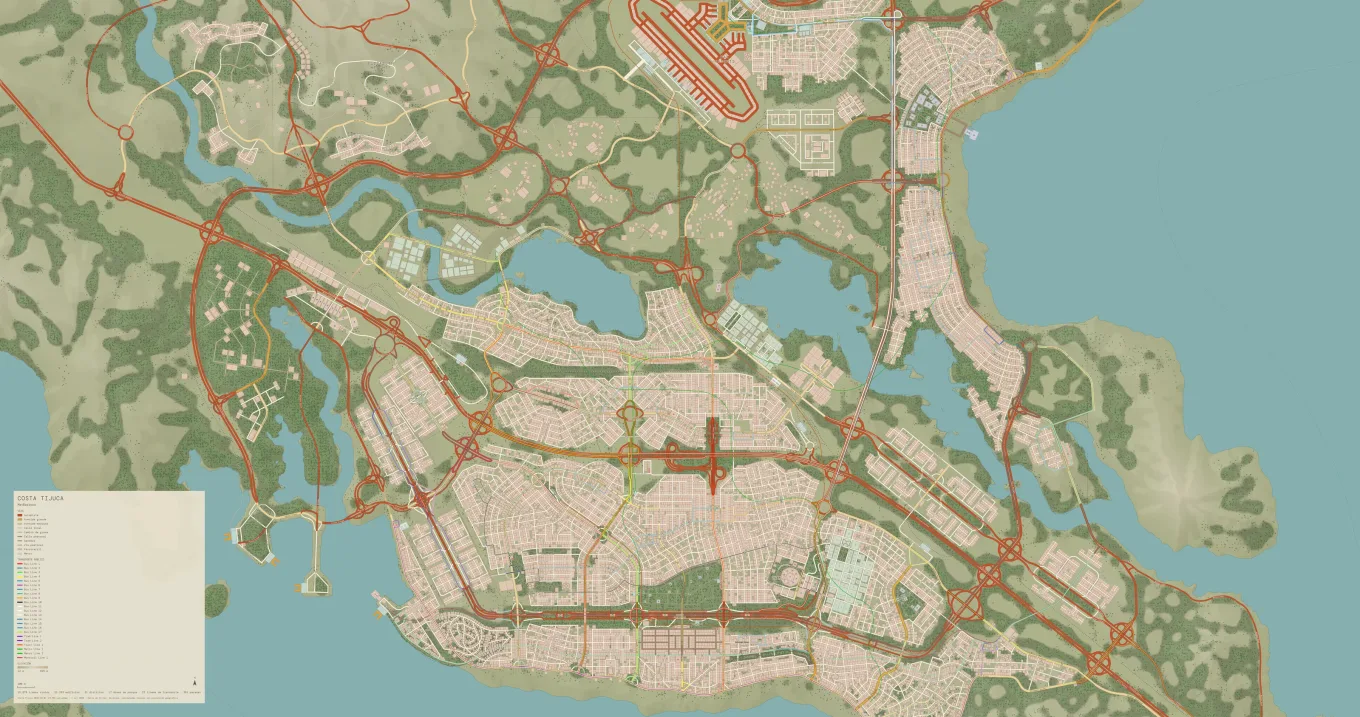
Credit: MatBarbosa · Steam Workshop
That’s what Vellum is to me.
I don’t want it to replace the game.
I want it to make you appreciate it in another way.
That you can stop for a moment in front of something you built over tens or hundreds of hours and see it as a complete work.
A city.
Your city.
And maybe, after wandering through it for a while, you’ll close Vellum.
Go back to the game.
Look at that empty space on the other side of the river.
And think there’s still room for one more neighbourhood.
If that happens,
the map will have done its job.
— Sebastian Vargas Pizango
Lima, 2026
Made by one person, with time and care.